Recycling and Sustainability at Gardening Queens Park
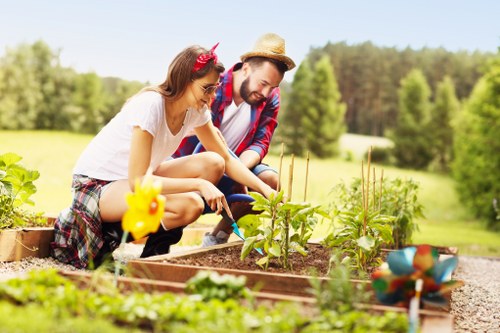 Gardening Queens Park is committed to creating an eco-friendly waste disposal area and a thriving sustainable rubbish gardening area that supports local biodiversity and reduces landfill. Our approach balances practical waste management with community gardening: we design collection points, sorting areas and compost bays so that green waste is treated as a resource, not refuse. This page explains our targets, local transfer stations, charity partnerships, and our move to low-carbon vans to service the gardens.
We work with the boroughs' approach to waste separation, encouraging residents and volunteers to separate food waste, garden organics and recyclable containers at source. In practice this means clear signage at our disposal area and regular training for volunteers so contamination rates remain low. By aligning with municipal schemes for mixed recycling, glass, paper and compostables we make it easy for everyone visiting our site to contribute to the circular economy.
 Our recycling percentage target is bold and measurable: we aim for a 65% recycling and reuse rate across all Gardening Queens Park operations by 2030. This target covers diverted green waste, composted material reused on-site, and items passed to reuse partners or repair networks. Meeting this target requires both community behaviour change and operational investments, including improved segregation bays, weatherproof storage for sorted materials, and better signage for visitors.
To handle materials that cannot be reused or composted on-site we map the nearest local transfer stations and civic amenity sites so that nothing suitable for recycling goes to landfill. Our logistical plans reference borough transfer stations and designated recycling centres where glass, rigid plastics and metals can be processed correctly. This coordination reduces double-handling, keeps transport emissions low, and ensures materials are routed to appropriate recycling streams.
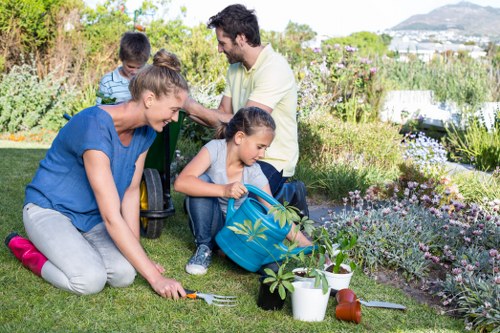
Partnerships and reuse networks
Gardening Queens Park has built strong ties with local reuse charities, community allotment groups and specialist composting organisations. These partnerships enable us to:- Transfer usable garden tools, soil conditioner and planters to community reuse hubs.
- Donate plant cuttings, pots and surplus soil mix to neighbourhood projects and food-sharing groups.
- Collaborate with repair collectives and reuse charities to keep bulky garden items in circulation rather than discarding them.
We also operate an on-site sorting station within the sustainable rubbish gardening area, staffed by trained volunteers who separate materials into dedicated skips and crates. Key activities here include segregating woody biomass for chip-and-mulch, collecting compostables for in-vessel composting or aerated windrows, and preparing clean glass and plastics for municipal pick-up. This workmanship reduces contamination and improves the overall recycling yield of the gardens.
Low-carbon transport and collection
To lower our operational carbon footprint we are transitioning our fleet to low-carbon vans and cargo bikes. By prioritising electric vans for bulk transfers to local transfer stations, and pedal-powered carriers for short intra-neighbourhood logistics, Gardening Queens Park both cuts emissions and demonstrates practical, scalable alternatives to diesel-based collections. Low-carbon vans are scheduled to handle heavier loads and support weekend collection windows to fit borough services.Our transport plan is coordinated to dovetail with borough collection rounds; by timing our trips to municipal transfer stations during off-peak hours we reduce congestion and idling. We also partner with neighbouring green spaces to share vehicle capacity, increasing vehicle utilisation while keeping overall miles travelled down. The result is a more efficient, greener supply chain for waste going out and compost coming back in.
 Monitoring, reporting and community engagement are central to achieving the recycling goals. We publish an annual sustainability update that details the percentage of materials diverted, tons of compost produced, and quantities passed to reuse partners. This transparency helps identify hotspots of contamination and areas where additional training or infrastructure will improve results. We also run seasonal workshops (plant swap events and composting demonstrations) to reinforce correct separation behaviour.
To support borough-wide systems, Gardening Queens Park integrates with local collection rules: clear guidance on separating food, garden waste and recyclables reflects the typical boroughs' approach to waste separation and ensures our materials fit neatly into municipal processing streams. Consistent sorting at source improves value recovery and supports the circular gardening economy we are building.
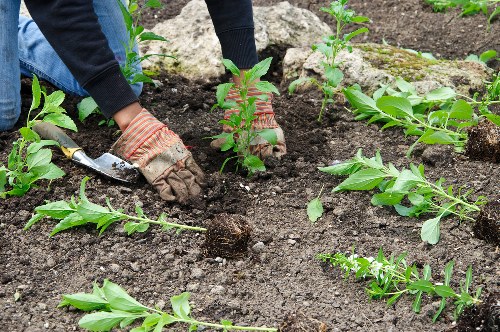 In summary, our model for an eco waste disposal area and a sustainable rubbish gardening area combines an ambitious recycling percentage target, practical links to local transfer stations, strong partnerships with charities and reuse groups, and an intentional switch to low-carbon vans. By emphasising source separation, on-site composting and reuse, Gardening Queens Park is transforming ordinary garden waste into valuable resources for the community and the city.
Join our mission — by following simple separation rules when you visit and supporting local reuse initiatives, you help achieve our 65% recycling goal and keep Queens Park greener for future seasons.