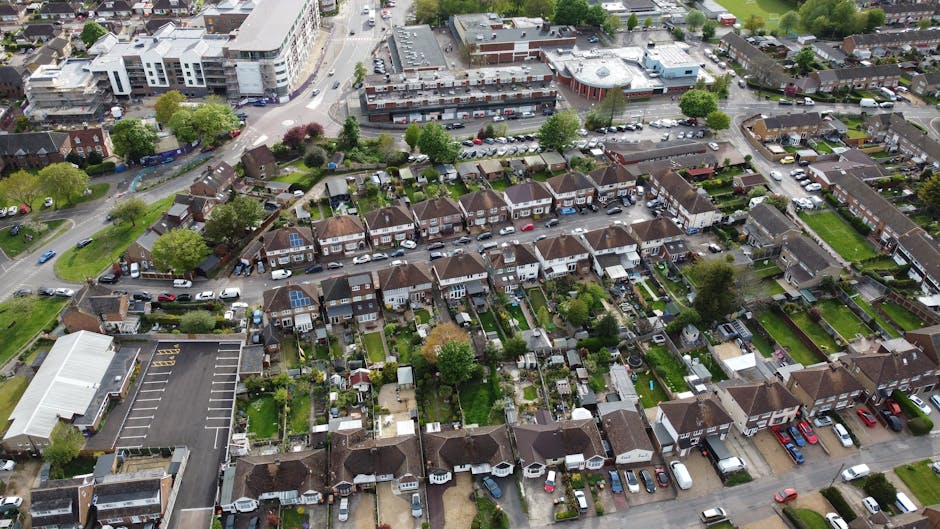
Kensal Rise garden clearance and gardeners near Queens Park: a practical local guide
If your garden has got a bit beyond tidy and you are now staring at tangled beds, overgrown hedges, a stubborn lawn, or a pile of cuttings that has somehow become a small ecosystem, you are not alone. Kensal Rise garden clearance and gardeners near Queens Park is exactly the kind of local service people look for when they want the space back without spending every weekend fighting brambles and bin bags.
This guide explains what garden clearance usually involves, how local gardeners work, when it makes sense to bring in help, and what to expect from a reliable service. It also covers practical choices, common mistakes, and a simple way to judge whether you need a one-off clearance, regular maintenance, or a broader landscaping refresh. To keep things useful, it includes links to relevant pages such as garden clearance services, garden maintenance support, and the wider services overview.
Why Kensal Rise garden clearance and gardeners near Queens Park matters
A neglected garden is more than a visual issue. It can make a property feel smaller, harder to use, and oddly tiring to look at. You know that feeling when you open the back door and instead of a calm outdoor space you get a wall of overgrowth, moss, dead leaves, and maybe one rogue plant trying its luck? That is usually the moment people start searching for local help.
In Kensal Rise and around Queens Park, gardens often need a mix of clearance and ongoing care because space is limited, access can be awkward, and planting areas get squeezed. A quick tidy-up may help for a week or two, but if roots, weeds, hedge growth, and waste removal are all part of the picture, a more structured approach works better. This is where experienced gardeners near Queens Park can save time, reduce stress, and stop the same problem coming back almost immediately.
It also matters for practical reasons. Overgrown gardens can hide damaged fencing, compacted soil, broken paving, or drainage problems. A proper clearance can reveal what is actually going on underneath. That is one of those boring-but-important things people often miss until the job is half done. Truth be told, a garden rarely improves just because the visible mess is removed; it improves when the underlying layout and maintenance needs are also understood.
If the end goal is a cleaner, more usable outdoor space, then a one-off tidy may be the start, not the finish. For many households, pairing clearance with hedge trimming, lawn mowing, or even some light landscaping makes the whole garden feel easier to live with.
How Kensal Rise garden clearance and gardeners near Queens Park works
A good garden clearance is usually straightforward, but it should never feel rushed. Most jobs begin with a look at the space: how much waste is there, what needs cutting back, what should be kept, and whether anything poses a safety issue. Ivy climbing a wall, a hedge leaning into a path, or a tree branch rubbing against a fence all change the plan slightly.
From there, the work normally follows a simple rhythm. First comes the removal of loose waste such as fallen leaves, cuttings, and old plant material. Then the team tackles thicker growth: brambles, self-seeded saplings, dead shrubs, and tired borders that have become more wild than intentional. After that, the space is usually swept through, raked, and left in a state where you can actually see the garden again. Nice change, honestly.
Depending on the condition of the garden, clearance may also involve:
- cutting back hedges and shrubs
- reducing overgrown grass or long patches of lawn
- removing green waste and general garden debris
- preparing beds for replanting or mulching
- identifying trees or branches that may need specialist attention
If there are larger trees, heavy branches, or awkward access, the job may overlap with tree lopping and removal. If the garden is being reshaped rather than just cleared, the next phase may involve landscape gardening or broader redesign work.
For ongoing upkeep, many people move from clearance to regular visits. That is often the sweet spot: clear the space properly once, then maintain it before it slips back into chaos. Simple enough in theory, harder in real life if you keep putting it off.
Key benefits and practical advantages
The biggest advantage is obvious: you get usable space back. But there are a few more benefits that matter just as much, especially in a local area where gardens often need to do a lot with limited square footage.
- Better first impression: A tidy garden immediately makes the home feel more cared for.
- Safer movement: Clear paths, fewer trip hazards, and less slippery build-up on paving.
- Healthier plants: Removing dead or overcrowded growth gives the rest of the garden room to breathe.
- Easier maintenance: A properly cleared garden is simpler to mow, trim, and keep under control.
- More flexible use: You can sit outside, plant properly, store items, or plan future improvements.
There is also a slightly underrated benefit: peace of mind. A garden that is out of control can nag at you every time you look out of the window. Once it is cleared, the whole place tends to feel lighter. Less mental clutter. That sounds a bit dramatic, maybe, but people do feel it.
If you want a broader, regular approach rather than a one-off intervention, a combination of garden maintenance and periodic clearance usually works well. And if the job is being planned as part of a wider improvement, the services overview is a useful place to understand how different services fit together.
Who this is for and when it makes sense
Garden clearance is not only for neglected spaces. In practice, lots of different people need it at different times.
You may benefit from Kensal Rise garden clearance and gardeners near Queens Park if:
- you have just moved into a property and the garden needs a reset
- you have let maintenance slide through winter, holiday periods, or a busy work stretch
- you are preparing a home for sale or rent
- you want to reclaim a patio, lawn, or courtyard that has become overgrown
- you have elderly parents or tenants who cannot keep up with regular upkeep
- you are planning planting, decking, or redesign work and need a clean base first
It also makes sense if your garden looks tidy from a distance but is actually full of problems up close. A narrow side return with piles of cuttings, a hedge creeping over the boundary, or a lawn that has turned into rough meadow grass all count. Not glamorous. Still important.
For some gardens, a clearance is the first step before a new deck, seating area, or path. In those cases, it can help to look at decking services or landscaping once the space has been stripped back and assessed properly.
Step-by-step guidance
If you are trying to decide how a good garden clearance should unfold, here is a practical way to think about it. No fluff, just the usual order of operations.
- Walk the garden first. Identify what is staying, what is going, and what needs care rather than removal.
- Check access and waste routes. Narrow alleys, shared entrances, and low gates can all affect how the work is done.
- Remove loose waste. Leaves, broken pots, dead growth, and surface debris come out first.
- Cut back heavy growth. Hedges, shrubs, brambles, and long grass are tackled in a sensible order.
- Handle specialist items. Anything large, woody, or potentially risky is dealt with separately.
- Rake, sweep, and review. Once the mess is gone, you can see what the garden actually needs next.
- Decide on maintenance. Without follow-up, most gardens drift back. Fast. A simple plan helps.
That last part is where many people get caught out. They assume the clearance is the solution, but really it is the reset button. If you want the garden to stay manageable, the next step is usually a maintenance rhythm or scheduled visits. A bit like cleaning a kitchen after a cook-up; leave it too long and the task gets bigger for no reason.
If you are unsure where to begin, start by separating the garden into three zones: urgent, useful, and future. Urgent is the stuff blocking access or creating risk. Useful is the area you want to enjoy now. Future is anything that could be improved later, once the space is stable again.
Expert tips for better results
Over the years, a few patterns become obvious. The best results come from people who think a little beyond the obvious tidy-up.
1. Clear with a purpose. If you only remove what looks messy, you may leave behind the things that cause the mess to return. Seed heads, invasive runners, and weak old stems often need proper removal.
2. Decide what the garden should do. Is it a play space, a sitting area, a low-maintenance border, or a productive garden? The answer changes how clearance should be handled.
3. Don't flatten everything. A garden can become oddly stark if too much is cut back at once. Balance matters, especially with mature shrubs or planted borders.
4. Plan waste handling early. Cuttings, bags, and bulky material add up quickly. If no one has thought through removal, the job becomes messy again halfway through.
5. Pair clearance with maintenance. A one-off tidy is fine, but regular upkeep keeps the work from repeating in a dramatic way.
Small thing, but worth saying: wet foliage and damp soil can make a job feel twice as big. If the weather has turned grey and drizzly, which in London it often does, a little extra planning goes a long way.
When the job is more than simple cutting back, ask whether the garden needs follow-on work such as lawn mowing or precise trimming. A clean finish matters. So does knowing when to stop.
Common mistakes to avoid
Garden clearance can go wrong in a few predictable ways. Most of them are avoidable if you think ahead for ten minutes rather than six weeks later when the garden still looks half-finished.
- Removing everything without a plan: You can accidentally strip out useful structure or nesting habitat.
- Ignoring root systems: Cutting tops off weeds is not the same as dealing with the source.
- Underestimating waste: A few cuttings at the start can become multiple loads by the end.
- Forgetting access constraints: Shared entrances, basement steps, and tight side returns slow things down.
- Skipping aftercare: Clearance without maintenance often means the same garden becomes overgrown again.
- Trying to do it all in one go: Some gardens need a staged approach, especially if there are large shrubs or trees.
Another common mistake is treating every part of the garden as a clearance issue. Sometimes the space just needs tidying and selective pruning. Sometimes it needs a full reset. The trick is knowing the difference. That comes with experience, or at least with a calm look at the site before anyone starts hacking away. Easy to say, I know.
Tools, resources and recommendations
For a straightforward garden tidy, a good team will usually rely on sharp, well-maintained tools and a practical system rather than brute force. That includes hand tools for precision, cutting equipment for thicker growth, collection sacks or bins for debris, and rakes or brushes for the final clean-up.
What matters most is not the gear itself, but how it is used. Clean cutting, safe handling, and sensible sequencing reduce damage to healthy plants and make the end result far better. If you are comparing providers, ask how they approach green waste, how they separate reusable material from disposal items, and whether they can adapt to restricted access.
For homeowners, it can help to keep a few simple tools on hand between visits:
- a lightweight pair of secateurs for small stems
- a broom or garden brush for paths and patios
- a compost bin or green waste container, if available
- a basic hand fork for loosening compacted soil
- gloves that actually fit, which sounds trivial until you are halfway through a thorny job
If you want a service that is planned and transparent, it is worth reviewing the provider's approach to pricing and quotes. That helps you understand what is included, what might count as extra work, and how a one-off clearance differs from ongoing care.
For homeowners who care about responsible disposal, the page on recycling and sustainability is also worth a look. Garden waste is not just waste; in many cases it can be handled more thoughtfully than people assume.
Law, compliance, standards and best practice
Most garden clearance work is practical rather than heavily regulated, but that does not mean standards do not matter. In the UK, responsible garden work should follow sensible health and safety practices, especially where tools, ladders, heavy waste, or trees are involved. If a job could create risk for workers, neighbours, or property, it should be planned carefully and carried out by someone who understands safe working methods.
That includes simple things like protecting access routes, avoiding blocked paths, and handling waste in a tidy way. It also means recognising when a task moves beyond ordinary clearance. A branch hanging over a structure, for instance, may need more careful assessment than a regular hedge trim. Likewise, anything involving unsafe heights, unstable growth, or hidden hazards should be treated cautiously.
Insurance is another sensible check. A reputable local gardening service should be able to explain how it handles safety and liability expectations in plain language. It should not feel secretive or vague. If you are ever left wondering, "Who is responsible if something goes wrong?" then that is a good sign to ask more questions before work starts. You are not being awkward. You are being sensible.
It is also good practice to confirm how waste will be removed and whether materials will be separated properly. If a provider gives clear explanations on these points, that is usually a sign of an organised operation. You can also review the company's pages on health and safety policy and insurance and safety to better understand their working standards.
Options, methods and comparison table
Not every overgrown garden needs the same solution. Sometimes a quick tidy is enough. Sometimes you need a proper clearance. And sometimes the garden needs clearance plus a longer-term maintenance plan. Here is a simple comparison to make the choices clearer.
| Approach | Best for | What it usually includes | Pros | Watch-outs |
|---|---|---|---|---|
| Basic tidy-up | Light leaf build-up, small weeds, quick refresh | Raking, sweeping, light cutting, surface cleanup | Fast, simple, low disruption | May not solve deeper overgrowth |
| Full garden clearance | Overgrown or neglected gardens | Cutting back, waste removal, major clear-out, final tidy | Reclaims space quickly, reveals hidden issues | Needs more planning and waste handling |
| Clearance plus maintenance | Gardens that quickly get out of hand | Initial reset followed by scheduled upkeep | Prevents repeat problems, keeps the garden usable | Works best with consistency |
| Clearance plus landscaping | Gardens being redesigned or improved | Clearance, preparation, reshaping, new features | Long-term improvement, better layout | Takes more time and usually a bigger budget |
If you are not sure which option suits your garden, think about how you want it to look three months from now, not just how it looks today. That tiny shift in thinking makes the decision much easier.
Case study or real-world example
Here is a realistic example from the kind of work local gardeners often see. A small rear garden near Queens Park had become difficult to use after a long period without maintenance. The lawn was patchy and long, the hedge line had spread over the boundary, and the back corner was full of dead cuttings, self-seeded growth, and a few old pots that had long since lost their purpose.
The first visit focused on clearance: removing debris, cutting back the hedge, reducing heavy growth, and opening the space up so the owner could actually walk through it without brushing past thorny stems. Once the main mess was gone, the team could see that one corner had compacted soil and a drainage issue after rain. Nothing dramatic, but worth spotting early.
After that, the work shifted into maintenance. The lawn was mown properly, edges were neatened, and the borders were left in a state where replanting could happen later without starting from scratch. The result was not a "magazine garden" overnight. That would be silly. It was something much more useful: a manageable, usable outdoor space that no longer felt like a chore every time the back door opened.
That is usually the real goal. Not perfection. Just a garden that works.
Practical checklist
Use this checklist before booking or starting a clearance job. It keeps things simple and avoids those annoying mid-job surprises.
- Decide whether you need a tidy, a full clearance, or both
- List the items you want kept, cut back, or removed
- Check whether there are trees, hedges, or heavy branches involved
- Confirm access routes, gates, and any shared entrances
- Think about waste removal and green waste handling
- Ask whether the work includes final raking, sweeping, and edge finishing
- Consider whether the garden will need follow-up maintenance
- Review any safety or insurance details that matter to you
- Look at about us if you want to understand the team behind the service
- Use contact us when you are ready to discuss the job
A quick checklist like this saves a lot of back-and-forth later. And yes, it is one of those boring things that makes life easier. The boring things usually do.
Get a free quote today and see how much you can save.
Conclusion
Kensal Rise garden clearance and gardeners near Queens Park is really about making outdoor space usable again. Sometimes that means one serious clearance. Sometimes it means a combination of trimming, mowing, waste removal, and a bit of planning for the future. The best results come when the work is handled with care, not just speed.
If your garden has become hard to manage, start with a clear view of what you want it to become. Cleaner? Safer? Easier to maintain? Ready for planting or redesign? Once that is clear, the rest falls into place more naturally. And if you want to move from overwhelm to a proper plan, that first step is often the most important one.
There is something satisfying about looking out on a garden that finally feels calm again. A little light, a bit of breathing room, and a space that feels like yours. That is worth getting right.
Frequently Asked Questions
What does garden clearance usually include?
Garden clearance usually covers removal of dead growth, weeds, fallen leaves, brambles, overgrown shrubs, and general garden debris. It often ends with raking, sweeping, and making the space usable again.
How is a garden clearance different from regular maintenance?
Clearance is usually a reset job for neglected or overgrown spaces. Maintenance is the ongoing upkeep that stops the garden slipping back into the same state. One clears the backlog; the other keeps it under control.
Do I need a gardener or a garden clearance service?
If the garden is mostly tidy but needs regular cutting, trimming, and mowing, a gardener may be enough. If the space is heavily overgrown, blocked, or full of waste, a clearance service is usually the better starting point.
How often should a garden be cleared?
There is no single rule. Some gardens only need a major clearance once or twice a year, while others benefit from seasonal tidy-ups. It depends on the planting, weather, and how much time you have for upkeep.
Can garden clearance help before selling a house?
Yes. A clean, open garden can make a property feel better presented and easier to imagine living in. It does not have to be perfect, just neat, accessible, and obviously cared for.
What if my garden has trees or large branches?
That may need a more careful approach. Larger branches, leaning trees, or anything unstable can overlap with specialist tree work, so it is sensible to check whether tree lopping and removal is required.
Will the team remove all the waste?
That should be confirmed before work starts. A good service will explain how waste is collected, what is included, and whether there are any limits based on access or volume.
Is garden clearance messy or disruptive?
It can be a bit noisy and busy while it is happening, especially if the garden is very overgrown. But a well-run job should leave the space cleaner, not messier, and the disruption should be kept sensible.
Can I combine clearance with lawn care or hedge work?
Absolutely. In fact, it often makes sense to do that. Clearance followed by lawn mowing and hedge trimming usually gives a more complete finish.
How do I know if a garden needs landscaping as well?
If the layout no longer works, the surfaces are tired, or you want to change how the garden is used, landscaping may be the next step. Clearance can reveal the problem, but landscaping is often what solves it long-term.
What should I ask before booking?
Ask what is included, how waste is handled, whether the work is one-off or ongoing, and whether the team can adapt to access issues or larger jobs. It is also sensible to check practical details on pricing and quotes.
How do I get started?
The simplest next step is to review the service details and reach out with a short description of your garden, its condition, and what you want done. If you prefer to see the wider range first, the services overview is a good place to begin.