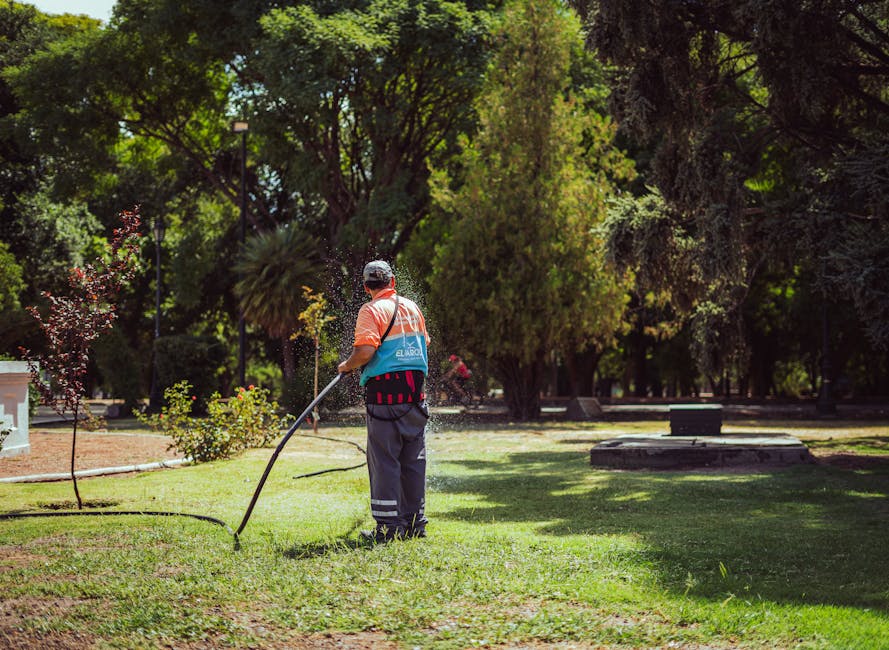
Avoid hidden garden maintenance charges in Queens Park
If you have ever asked for a garden tidy-up and then winced at the final bill, you are not alone. Hidden garden maintenance charges can turn a simple job into an awkward conversation, especially when the work is happening in a place like Queens Park, where gardens often need a bit of careful, tailored attention. The good news? You can spot the warning signs early, ask the right questions, and keep the whole thing straightforward. This guide explains how to avoid hidden garden maintenance charges in Queens Park, what to check before booking, and how to compare quotes without feeling like you need a degree in invoice decoding.
Whether you need regular upkeep, one-off seasonal work, or help clearing an overgrown patch that has somehow become a small jungle, the basics are the same: clear scope, transparent pricing, and sensible expectations. Let's make it simple.
Why Avoid hidden garden maintenance charges in Queens Park Matters
Hidden charges are frustrating anywhere, but in garden maintenance they are particularly sneaky because the work can expand as soon as someone steps through the gate. One small hedge trim can become a disposal issue, access problem, extra labour task, or "unexpected" add-on if nothing was agreed properly in advance. In Queens Park, where many gardens are compact, fenced, shared-access, or simply a bit awkward to reach, small details can affect the price more than people expect.
This matters for three reasons. First, you want control over your budget. Second, you want the work completed to a standard that matches what you actually asked for. Third, you want a contractor relationship that feels calm and professional rather than defensive. Truth be told, the stress often costs more than the money. You can live with a slightly higher fair quote; what nobody enjoys is a pleasant sounding estimate that turns into a surprise invoice later.
A transparent provider should be able to explain what is included, what is excluded, and what circumstances might change the price. If they cannot do that clearly, it is a red flag. Not always a deal-breaker, but definitely a warning light.
It is also worth remembering that garden jobs are rarely identical. A tidy lawn cut is one thing; dealing with dense waste, overgrown hedging, awkward tree branches, or heavy clearance is another. That is why good pricing is based on scope, not guesswork.
How Avoid hidden garden maintenance charges in Queens Park Works
The simplest way to avoid hidden garden maintenance charges in Queens Park is to move from vague requests to specific agreements. Instead of saying, "Can you sort the garden out?" try to define the tasks: mowing, edging, hedge trimming, pruning, weeding, leaf collection, waste removal, and any extra tidy-up you expect. The more precise you are, the less room there is for misunderstandings.
In practice, the process should look something like this:
- Initial discussion: You describe the garden, access, and what you want done.
- Inspection or photo review: The provider assesses the size, condition, and complexity.
- Itemised or clearly explained quote: Labour, waste, and extras are separated or clearly defined.
- Confirmation of scope: Both sides agree on what is included before work begins.
- Work carried out: Any genuine changes are discussed before costs increase.
- Final check: The finished work is reviewed against the agreed scope.
A good quote often reads a bit boring. That is a compliment. Boring quotes are usually clearer, and clearer quotes are usually cheaper in the end because they remove the drama. If you are comparing providers, take a look at the structure used on the pricing and quotes page and see whether the language feels specific rather than fuzzy. You can also get a sense of wider service coverage through the services overview.
One practical detail many people miss: waste handling. Garden waste, green cuttings, soil, timber offcuts, and general debris may not all be treated the same way. If the quote simply says "waste included," ask what that means in real terms. A bag of grass clippings is one thing; several heavy branches or a full trailer load is another. That difference can change the bill quite a bit.
Key Benefits and Practical Advantages
Getting pricing right is not just about avoiding a nasty surprise. It improves the whole experience. When you know what you are paying for, you can make better decisions about timing, frequency, and the level of care your garden actually needs.
- Better budget control: You can plan maintenance around known costs rather than reacting to surprises.
- Cleaner comparisons: You can compare providers on like-for-like terms instead of guessing what each quote includes.
- Less back-and-forth: Clear scope means fewer phone calls and fewer "just one more thing" messages.
- Higher trust: Transparent pricing is usually a sign of organised working practices.
- Improved results: A gardener who understands the brief is more likely to deliver what you expected, not just what was easiest.
There is also a quieter benefit that people underestimate: peace of mind. You stop watching the job with that half-worried feeling of "I hope this does not get expensive." And once that tension disappears, the whole thing feels much more manageable.
For recurring upkeep, regular services such as garden maintenance or lawn mowing can often be easier to budget for than one-off rescue jobs. If your garden has overgrown patches, stubborn waste, or a proper reset is needed, garden clearance may be more suitable, but again, only if the scope is clear from the beginning.
Who This Is For and When It Makes Sense
This approach is useful for almost anyone commissioning garden work in Queens Park, but it is especially valuable if your garden has a few quirks. And let's face it, many London gardens do.
It makes particular sense for:
- homeowners booking recurring or seasonal maintenance
- landlords preparing a property between tenancies
- tenants who need a one-off tidy-up before moving out
- busy families who want the garden kept under control without overspending
- older residents who prefer clear, simple arrangements
- people with larger or more complex outside spaces
- anyone comparing multiple quotes and trying not to get lost in the detail
If your garden includes hedges, shrubs, or boundary planting, services like hedge trimming can be priced in very different ways depending on height, access, and waste volume. If there are trees involved, especially if branches are overhanging or awkwardly positioned, tree lopping and removal brings extra considerations around equipment, access, and safety. That is not scare language; it is just the reality of the work.
There are also design-led jobs where the pricing picture changes because the work is not just upkeep. If you are combining practical maintenance with a refresh to your outdoor layout, you may end up looking at landscape gardening or broader landscaping services. In those cases, the risk of hidden charges goes up if materials, labour, and waste are not clearly separated.
Step-by-Step Guidance
If you want a straightforward way to protect yourself, use this process every time. It works well, even if the job is relatively small. In our experience, people who follow a simple structure usually get better quotes and less stress. Funny how that works.
- Describe the garden honestly. Mention the size, condition, access points, and any awkward parts. If the back gate is narrow or the side passage is tight, say so.
- List the exact tasks. For example: mow lawn, edge borders, remove weeds, trim one hedge, clear green waste.
- Ask what is included. Does the price include labour, tools, fuel, disposal, and tidy-up?
- Ask what could increase the price. Common triggers include extra waste, very dense growth, difficult access, or additional time on site.
- Request the quote in writing. A written quote does not have to be fancy. It just needs to be clear enough to refer back to later.
- Check for exclusions. If something is not included, note it before agreeing.
- Confirm waste handling. Ask whether green waste is taken away, bagged, stacked, or left for you to dispose of.
- Set change control rules. If the job changes on the day, agree that extra work must be approved before it is done.
- Review the final invoice. Check that it matches the agreed work, line by line if needed.
One small but helpful tactic: ask for a "worst-case" figure before the job begins. If the gardener says the task might cost more if access is tricky or the hedge is heavier than expected, ask for the upper limit. That way, the conversation stays grounded. No guesswork, no awkwardness.
If you are dealing with a larger amount of debris or a garden that has been left untidy for a while, combining maintenance with clearance can be the cleanest route. It may feel simpler to do everything in one visit, but only if the provider has explained the difference between routine upkeep and heavier clearance work. Otherwise, hidden extras creep in. Quietly. Like that one patch of ivy nobody noticed until it was everywhere.
Expert Tips for Better Results
Here are the details that experienced customers tend to get right, and that weaker quotes often fail to mention.
1. Ask about access before you talk about price
Access affects labour time, tool choice, and waste removal. A narrow alley, steps, locked gates, or shared entry can all change how a job is priced. If access is awkward, say so early. It saves everyone time.
2. Be specific about waste
Waste is where a lot of misunderstandings happen. Light hedge clippings are very different from wet soil, branches, broken pots, or mixed rubbish. If the work involves a lot of cut material, ask how it will be handled and whether disposal is included.
3. Separate maintenance from improvement work
Regular upkeep keeps things tidy. Improvement work changes the garden's structure or appearance. If you mix the two without naming them separately, the quote can blur together. That is where disputes begin.
4. Use photos, but do not rely on them alone
Photos are useful, especially for quick comparisons. Still, they do not always show depth, access, or hidden waste. A damp afternoon can make everything look smaller or easier than it really is.
5. Keep a simple record
Save the quote, the agreed scope, and any messages about changes. You do not need a filing system worthy of an accountant. Just keep enough detail to compare what was promised with what was delivered.
For some customers, it helps to choose a provider who is clear about wider working standards too. Information on insurance and safety, health and safety policy, and payment and security can tell you a lot about how seriously a business handles the basics. Not glamorous, admittedly. But very useful.
Expert summary: the most reliable way to avoid hidden garden maintenance charges is to define the work, clarify waste, confirm access issues, and get the pricing in writing before anyone starts moving soil, cutting hedges, or loading green waste.
Common Mistakes to Avoid
Most pricing problems are avoidable. They usually happen because someone rushed the conversation or assumed the contractor would "just know" what was needed. To be fair, that is understandable. Garden work seems simple until it is not.
- Being too vague: "Sort the garden out" can mean five different things.
- Ignoring access: If a worker has to carry waste a long way, the price may rise.
- Forgetting disposal costs: Waste removal is often a separate cost driver.
- Accepting verbal-only agreements: These are much harder to check later.
- Not asking about minimum charges: Small jobs sometimes come with a minimum visit fee.
- Assuming extras are included: Edging, sweeping, bagging, and loading are not always part of the same price.
- Comparing quotes blindly: The cheapest quote can be the most expensive if it excludes half the job.
Here is a common scene: someone books a simple hedge trim, but the hedge is higher and denser than expected, the clippings are heavy, and the provider charges extra for extra disposal. Nobody is necessarily behaving badly. It just means the original scope was too loose. A better brief would have prevented the surprise.
Another mistake is failing to ask about timings. If a provider thinks the job will take one hour and you think it will take three, one of you is going to be disappointed. Probably both. A short time estimate is often enough to expose that mismatch before work begins.
Tools, Resources and Recommendations
You do not need specialist software to avoid hidden charges. A few simple tools and habits go a long way.
- A site photo set: Take clear photos from different angles, including access routes and problem areas.
- A written task list: Keep a short checklist of what you actually want done.
- A comparison note: Jot down what each quote includes, especially waste and extras.
- A messaging trail: Use text or email for anything important so there is a record.
- A seasonal plan: If your garden needs regular attention, map out recurring tasks across the year.
It can also help to look at a provider's broader service pages to understand how they think about different jobs. For example, if you may need a mix of mowing, trimming, and occasional bigger tidy-ups, the combination of lawn mowing, hedge trimming, and garden clearance gives you a practical picture of how maintenance can be grouped. If your outside space is being reshaped or upgraded, decking services may also become part of the conversation, and that is the point where detailed pricing matters even more.
For readers who want to understand the company approach more broadly, the about us page can help you judge tone and professionalism. And if you are concerned about transparency or want to ask a direct question, the contact us page is the sensible next step.
Law, Compliance, Standards, or Best Practice
Garden maintenance in the UK is not usually a highly regulated service in the same way as some trades, but there are still important best-practice expectations. A trustworthy provider should work safely, communicate clearly, and handle pricing honestly. That sounds obvious, yet it is exactly where problems often start.
In practical terms, good practice usually includes:
- clear written quotes or estimate terms
- transparent explanations of what is included
- agreement before additional work is carried out
- safe working methods and sensible site awareness
- careful handling of waste and disposal arrangements
- straightforward payment expectations
If a provider mentions policies around safety, payment, complaints, or sustainability, that is often a sign they run a more organised operation. It does not guarantee perfection, of course. But it does suggest they have thought about the customer experience beyond the first invoice.
You may also want to check how a business explains its standards on complaints procedure, recycling and sustainability, and terms and conditions. Those pages can help you understand what happens if something goes wrong, how waste is treated, and how the service is framed. That kind of clarity is worth a lot.
One sensible rule of thumb: if a quote is unusually low and oddly vague, slow down. Ask questions. The cheapest number on the page is not always the best value. Sometimes it is just the least informative one.
Options, Methods, or Comparison Table
When you are trying to avoid hidden garden maintenance charges in Queens Park, the pricing method matters as much as the headline price. Some jobs are best priced as fixed packages; others work better with a scoped visit or an itemised quote.
| Pricing method | Best for | Pros | Watch out for |
|---|---|---|---|
| Fixed-price package | Regular mowing, light trimming, standard upkeep | Easy to budget, simple to understand | May exclude unusual access or heavy waste |
| Itemised quote | Mixed jobs, larger gardens, one-off tidy-ups | More transparent, easier to compare | Needs careful review so nothing is missed |
| Time-based pricing | Unclear or variable jobs | Flexible when scope is uncertain | Can feel less predictable if the brief is loose |
| Visit-and-assess pricing | Overgrown, complex, or access-heavy work | More accurate before work starts | Takes a bit more time upfront |
For most customers, an itemised or well-explained fixed quote gives the best balance of clarity and control. If the garden is manageable and the tasks are routine, recurring maintenance can often be the easiest route. If the site is untidy, cluttered, or unusually overgrown, a visit-and-assess approach is often fairer. Simple as that.
Case Study or Real-World Example
Picture a typical Queens Park terrace garden after a wet spring. The lawn is patchy and long, the hedge has flared out over the path, and there is a small pile of cuttings from a previous attempt at tidying things up. Nothing dramatic, just one of those gardens that looks easier than it is.
The homeowner wants a refresh and asks for a price. The first question they answer properly is about access: there is only a narrow side passage and waste needs to be carried through the property. The second question is about scope: mow the lawn, trim the hedge, weed the borders, sweep the patio, and remove all green waste. The third question is about extras: anything beyond that, such as hard pruning or disposal of mixed rubbish, must be agreed first.
Because the scope is set clearly, the quote makes sense. The gardener can plan the job properly, bring the right equipment, and allow time for waste removal. The homeowner knows what will happen, what it will likely cost, and what would count as extra. No awkwardness later. No "I thought that was included."
That is the ideal outcome. Not glamorous, just calm and fair. And honestly, in day-to-day garden work, calm and fair is a very good result.
Practical Checklist
Use this checklist before you agree to any garden maintenance work in Queens Park:
- Have I described the garden accurately, including access?
- Have I listed the exact tasks I want completed?
- Have I asked what is included in the price?
- Have I checked whether waste removal is included?
- Have I asked what might increase the cost?
- Have I requested the quote in writing?
- Do I understand whether this is a fixed price, an estimate, or an hourly rate?
- Have I confirmed whether extra work needs approval first?
- Have I reviewed the provider's terms, payment, and safety information?
- Do I feel clear and comfortable about the agreement?
If you can answer yes to most of those, you are in a strong position. If not, pause and ask for clarification. It is much easier to do that before the job than after the invoice lands. That bit matters.
Get a free quote today and see how much you can save.
Conclusion
To avoid hidden garden maintenance charges in Queens Park, focus on clarity. Define the work, understand the waste, check access, confirm the pricing method, and get the agreement in writing. That is the real formula. Not clever, not complicated, just solid.
Most pricing problems happen because the original conversation was too loose. A few extra questions at the start can save money, time, and a fair bit of annoyance later. Whether you need routine upkeep, hedge cutting, lawn care, or a bigger garden reset, a transparent approach gives you a better result every time. And yes, it really can be that straightforward.
If you are ready to move from guesswork to a clear plan, that is usually the right moment to ask for a proper quote and compare it carefully. A tidy garden feels good. A tidy invoice feels even better.
Frequently Asked Questions
What does hidden garden maintenance charges usually mean?
It usually refers to extra costs that were not clearly explained at the start, such as waste disposal, added labour, difficult access, or extra tasks that appeared during the job.
How do I stop a gardener from adding surprise costs?
Ask for a written quote, define the exact tasks, confirm what is included, and agree that any extra work must be approved before it is done.
Is waste removal normally included in garden maintenance?
Sometimes yes, sometimes no. It depends on the provider and the job. Always ask how green waste, branches, soil, or mixed rubbish will be handled.
Should I choose a fixed price or an hourly rate?
For routine work, fixed pricing is often easier to budget for. For unclear or variable jobs, an hourly rate or visit-and-assess quote may be more suitable. It depends on the garden and the scope.
Why do Queens Park gardens sometimes cost more to maintain?
Local gardens can be compact, awkwardly accessed, or heavily planted, which may increase labour time and waste handling. That is not always the case, but it is common enough to mention.
What should be written in a garden quote?
A good quote should explain the tasks, labour, waste handling, exclusions, and any conditions that may change the price. The clearer it is, the better.
Can a quote change after the work starts?
It can, but only if the scope genuinely changes or the original brief was incomplete. A fair provider should explain the reason and get approval before charging more.
How do I compare two garden maintenance quotes fairly?
Compare what each quote includes, not just the headline number. Look at labour, waste, access assumptions, and whether the job scope is actually the same.
Do I need to mention access problems before booking?
Yes. Narrow gates, shared passageways, steps, or long carry distances can all affect time and cost. Mentioning them early avoids misunderstandings.
What if my garden needs both maintenance and clearance?
That is common. Ask whether the provider can separate regular upkeep from clearance work so you understand exactly what each part costs.
Are terms and conditions worth reading for a small job?
Yes, especially if you want to understand payment, cancellation, complaints, and what happens if the job changes. Small jobs can still create confusion if the basics are not clear.
When is the best time to request a quote?
As soon as you know what work you want done. Earlier is better, especially before seasonal growth kicks in or before a move-out deadline. That gives you room to ask questions and compare properly.